Computer Controlled Cutting
Using a computer and a dedicated machine that can move a blade precisely to remove material
Subtractive Manufacturing#
Subtractive manufacturing starts with a block, sheet or bar of material and removes everything that is not the part. Carving, drilling, sawing, sanding and cutting are all subtractive. In industry this is done with machines like CNC mills, lathes and laser cutters. In our room, the two you will use most are the Cricut and the utility knife.
The Cricut vinyl cutter#
The Cricut is a computer controlled blade on a moving carriage. The carriage moves the blade side to side (X), and rollers move the mat and material forward and back (Y). The blade cuts wherever the file tells it to.
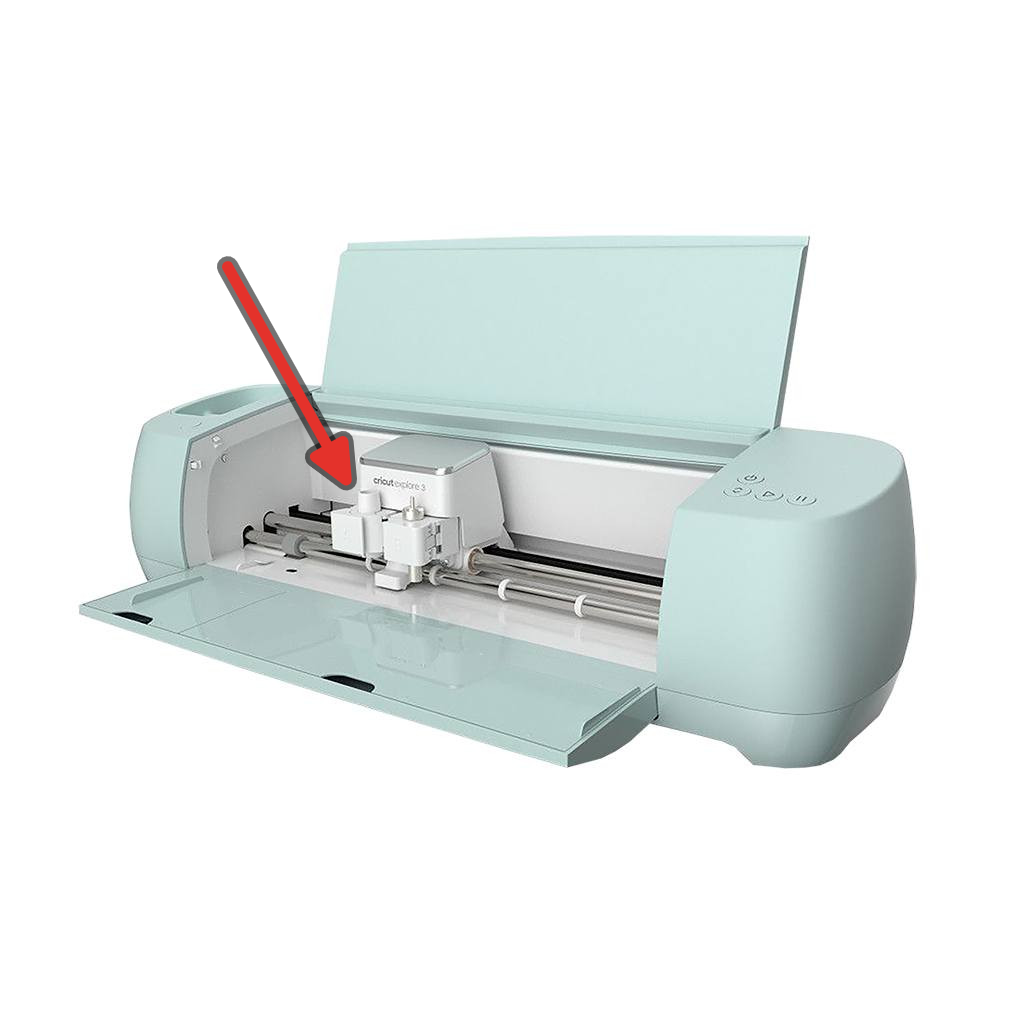
The workflow is very close to the 3D printer’s:
| Step | 3D printer | Cricut |
|---|---|---|
| Design | CAD | CAD or a drawing program |
| File | .stl (a 3D shape) | .svg or .dxf (2D outlines) |
| Prepare | Bambu Studio / OrcaSlicer | Cricut Design Space* |
| Make | The printer adds plastic along the path | The blade cuts along the path |
- Unfortunately this software is not available on school computers, so all of the file preparation is done on Mr. Mills’ machine.
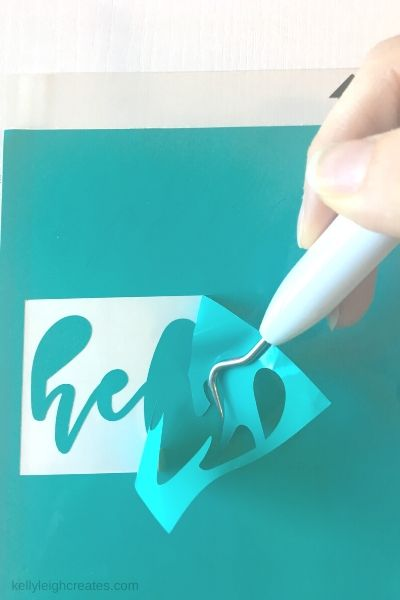
When cutting adhesive vinyl, the blade is set to cut through the vinyl but not through the paper backing underneath. This is called a kiss cut. The design stays in place on the backing, and you remove the vinyl you don’t want by hand. That step is called weeding, and it is the subtractive part you can actually see: everything you peel away is waste.
Cutting Other Materials#
Adhesive vinyl comes with its own paper backing, but materials like paper, cardstock, leather, and thin cardboard do not. To cut these on the Cricut, you must stick them down onto a reusable cutting mat. It has a medium-tack adhesive surface that holds flat materials firmly in place so the blade cuts cleanly without dragging, bunching up, or shifting the sheet. Sometimes, some extra tape is needed to secure it in place.
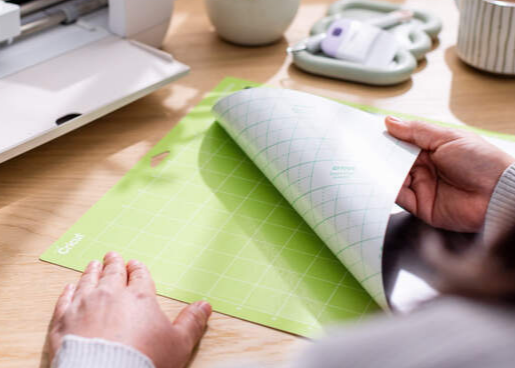
Other materials require different pressures or blade settings, but can be cut if they are thin enough:
- Paper and cardstock: Perfect for folded packaging, papercrafts, and quick flat prototypes. Standard fine-point blades cut through cardstock cleanly in a single pass.
- Thin cardboard and chipboard: Materials like cereal box stock or light chipboard make strong structural parts for small boxes. These need higher blade pressure or multiple passes to cut through completely.
- Leather and faux leather: Dense materials require firm pressure. You may need a deeper blade (like a Deep-Point or Knife Blade) and painter’s tape along the mat edges to keep heavy leather from sliding during deep cuts.
- Other thin materials: Craft foam, felt, thin veneer, and stencil plastic can also be cut using the mat method, as long as they are thin enough to clear the machine’s roller bar, which is 2.4mm tall.
Using a Utility knife#
A utility knife is the simplest subtractive tool in the room. It removes a line of material only as wide as the blade, and everything on either side of that line stays. This process will still be done digitally however, by creating a template in software, printing it on paper, and then transferring the mask to the material to be cut.
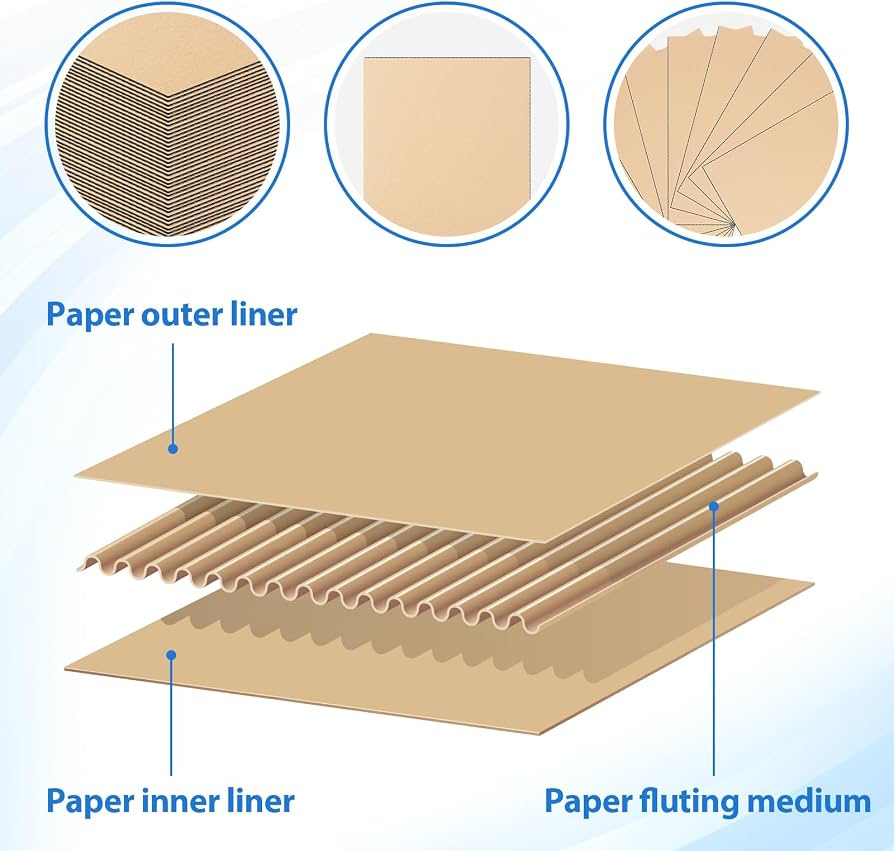
Corrugated cardboard is made of two flat sheets, called liners, with a wavy layer called fluting glued between them. That structure changes how it cuts and folds:
- Cutting through: Cut in two or three passes. The first pass scores the top liner, the later passes go through the fluting and the bottom liner. One heavy pass crushes the fluting, tears the liner and wanders off the line.
- Scoring: Cutting only through the top liner lets the cardboard fold cleanly along that line. This is how a flat sheet becomes a box.
- Along or across the flutes: Cardboard bends easily along the flutes and resists bending across them. Plan your cuts so the flutes run the way you need the part to be stiff.
The Cricut and the utility knife do the same job. The difference is who is holding the blade. The Cricut follows the file exactly, every time. The knife follows your hand, so it is only as accurate as your marking out, your steel rule and your patience.
Utility knife
- Cut on a cutting board, never on a bench or your lap.
- Cut away from your body, with your other hand behind the blade.
- A dull blade slips. Ask for a new one before you push harder.
- Retract the blade the moment you put the knife down.
Knife and glue gun practice is in Making a project box.